
ES · EN
Book 30 min
WHO · GRADE Working Group · IETS
We bring evidence-based methods into the committees, panels and processes where health decisions actually get made. Clinical epidemiology and study design, evidence synthesis, GRADE guidelines and qualitative research.
Free, no obligation · You hear back from a senior researcher, not a salesperson
Why we exist
A clinical recommendation, a coverage decision, an access dossier: each is only as good as the method behind it. Leave that method unwritten and the conclusion falls apart the moment anyone questions it.
We work the other way round: question and analytical framework first, search second. We document every judgement: what went in, what stayed out, with what certainty and why. That trail is what lets you defend your decision to a committee, a peer reviewer or an auditor.
How we work with GRADE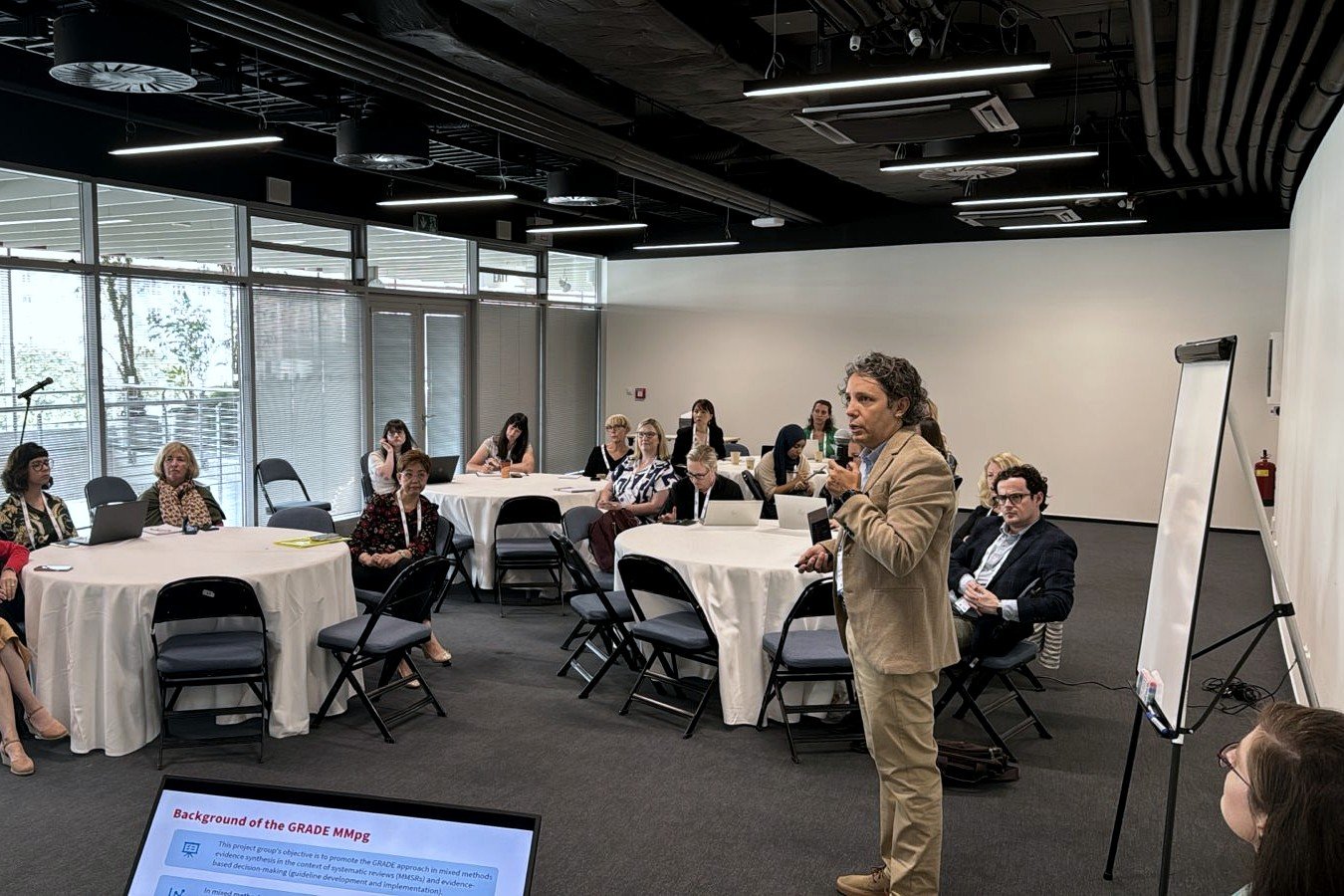
What we do
Six capabilities that share a single starting point: the question put properly, and a method able to answer it.
We automate screening, extraction and literature surveillance. We do not automate the certainty judgement or the interpretation: that stays human, and it goes on the record.
Focus area
Few patients means thin evidence, and the usual methods fail. That is precisely where methodological judgement decides whether a decision will hold.
In rare diseases you almost never have a large trial, a clean comparator or established outcomes. Follow the standard handbook and you get very low certainty and a paralysed committee. The skill lies in knowing what imperfect evidence will support, and stating the uncertainty openly rather than burying it.
Patient registries, natural history, real-world evidence and formal expert consensus, with the perspective of patients and carers built in through qualitative research.
See how we work in rare diseases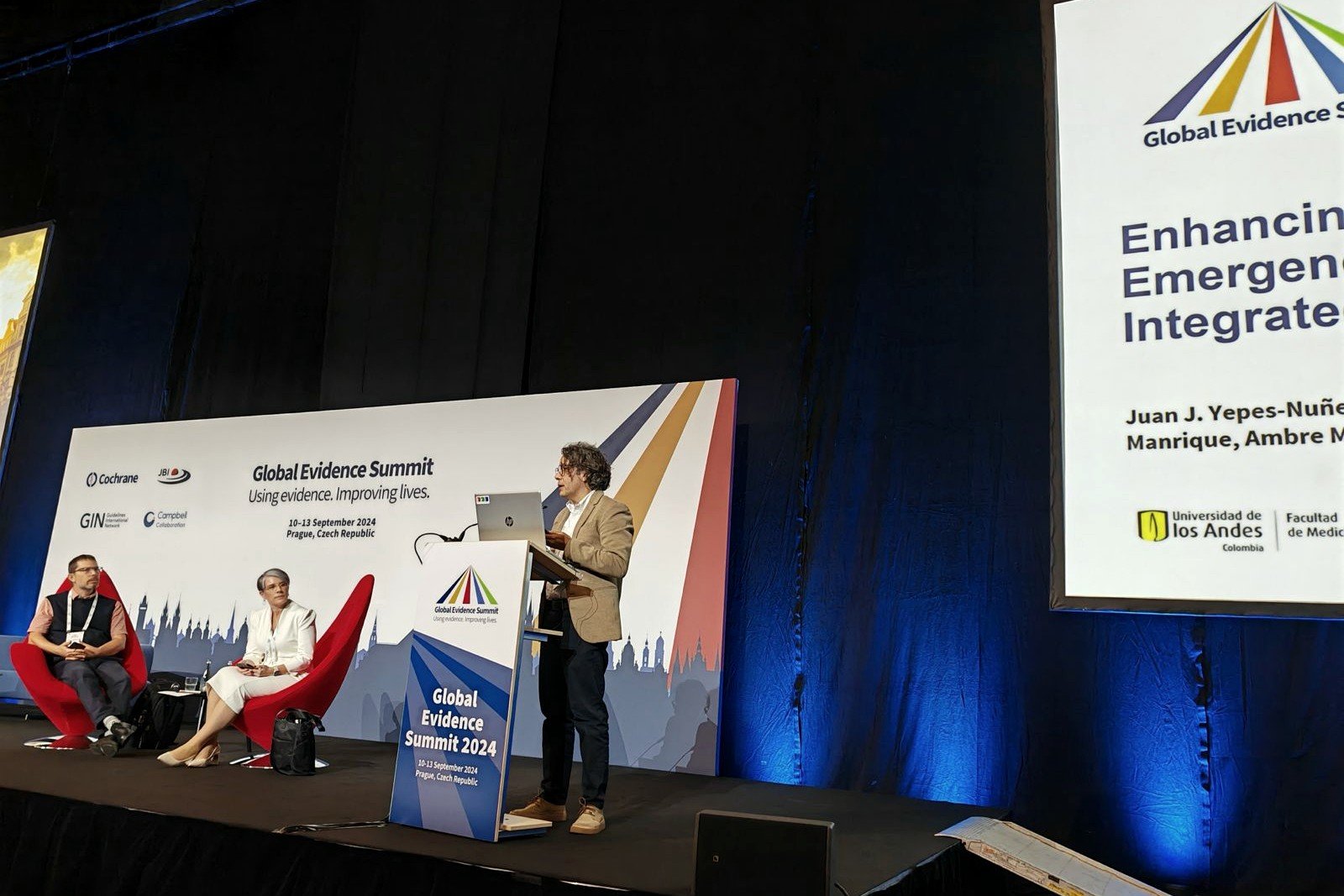
In numbers
Verifiable
We have also worked with PAHO, Colombia's IETS and the ARIA-EAACI group. See the full output.
Next step
Thirty minutes with a senior methodologist. You come away with a scope, a proposed method and a realistic sense of timings. Free, no obligation.